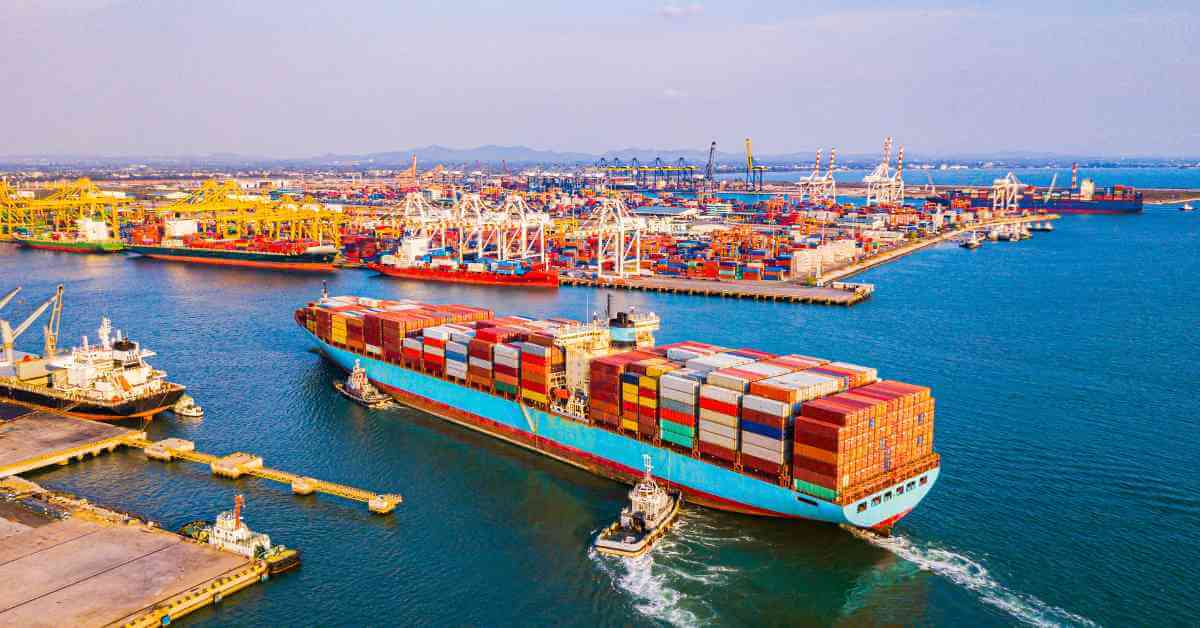
A well educated population is the best way to ensure a well run Economy, so it is important to understand how tariffs work.
- Tariffs are paid by the importer who pass along the cost to the customer who pays ~90% of the increase, so most economists agree that tariffs are bad for the economy and the consumer and cause inflation. In 2025, tariffs brought in $264B from the US consumer while Billionaires got massive tax cuts.
- Only Congress has the power to regulate foreign trade by the Constitution, so while the President can negotiate rates with Foreign countries, Congress needs to approve them before they are enacted. The supreme court struck down Trumps tariffs, but Trump proceeded to implement new tariffs.
- Imported goods from abroad still have to be warehoused and distributed in the US, which increases US jobs.
- Unless companies feel that products can be made in the US competitively, they are not likely to manufacture them here since foreign labor is often less than 25% of US labor.
- If the US consumer has to pay more for goods, they will end up spending less, which will impact the economy.
- If other countries perceive the tariffs as unfair or punitive, they are less likely to buy US products or travel to the US, which will also affect the economy.
- A trade deficit usually means the consumer is getting cheaper products from abroad which gives them more buying power and raises their standard of living.
- Tariffs may be needed when
- Countries are artificially reducing the cost of their products with Government subsidies
- Strategically needed to ensure domestic production of key products (i.e. computer chips)

 The Moderate Voter
2 thoughts on “Understanding Tariffs”